Blown Fuse in Edgeworth
If a fuse keeps blowing at your Edgeworth home, your old board is struggling to cope. Electrician Edgeworth finds the fault fast, explains it plainly, and fixes it properly, backed by 300+ five-star reviews.
What a Blown Fuse Is Telling You
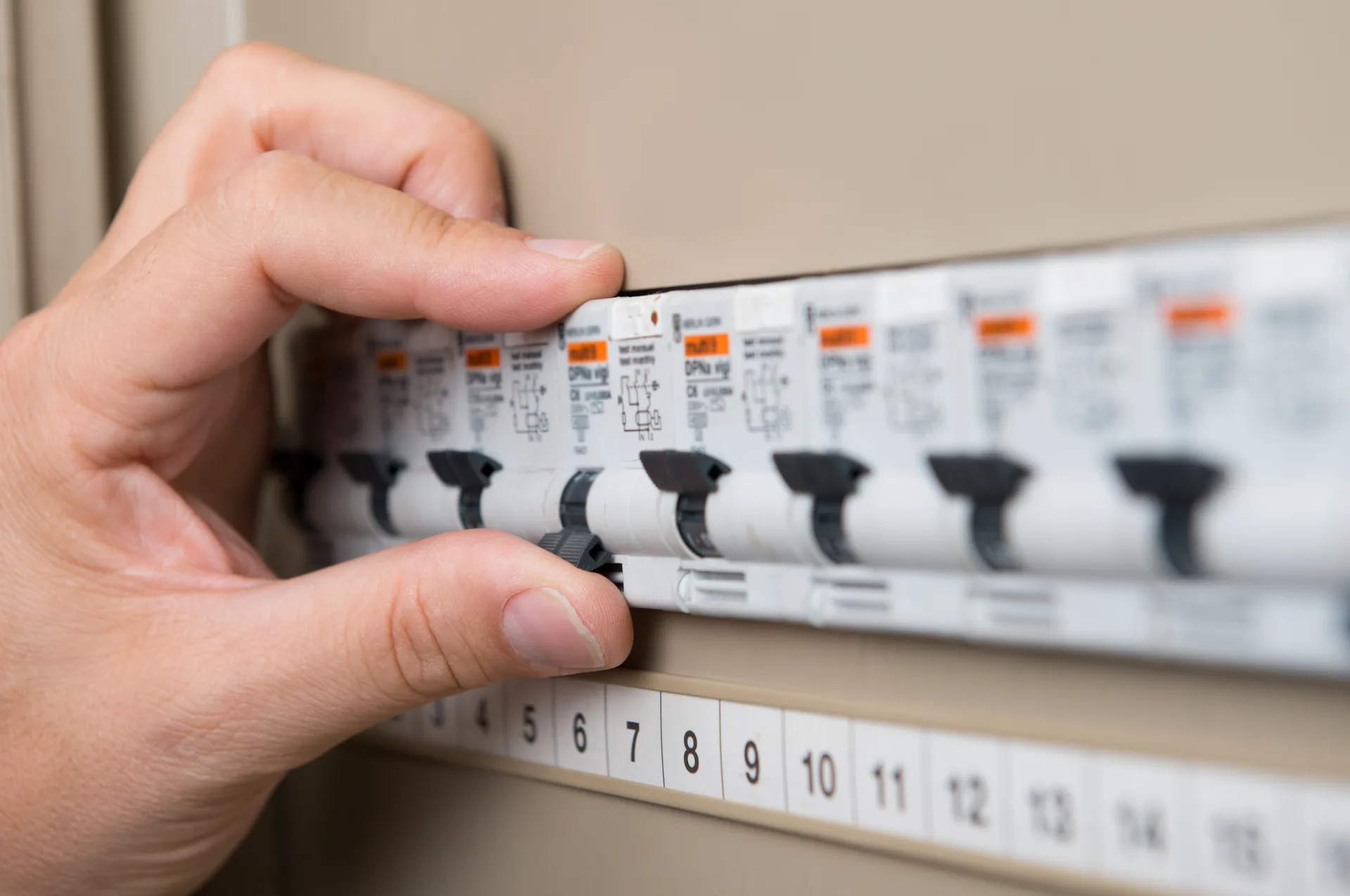
A blown fuse means a circuit has drawn more current than it can safely carry, so the fuse wire has melted to cut the power. It is a protective device doing its job, but repeated blowing under AS/NZS 3000 means the board can no longer keep up with modern household load, and it is worth having a licensed electrician confirm why before you simply replace the wire again.
Common Causes of a Blown Fuse in Edgeworth Homes
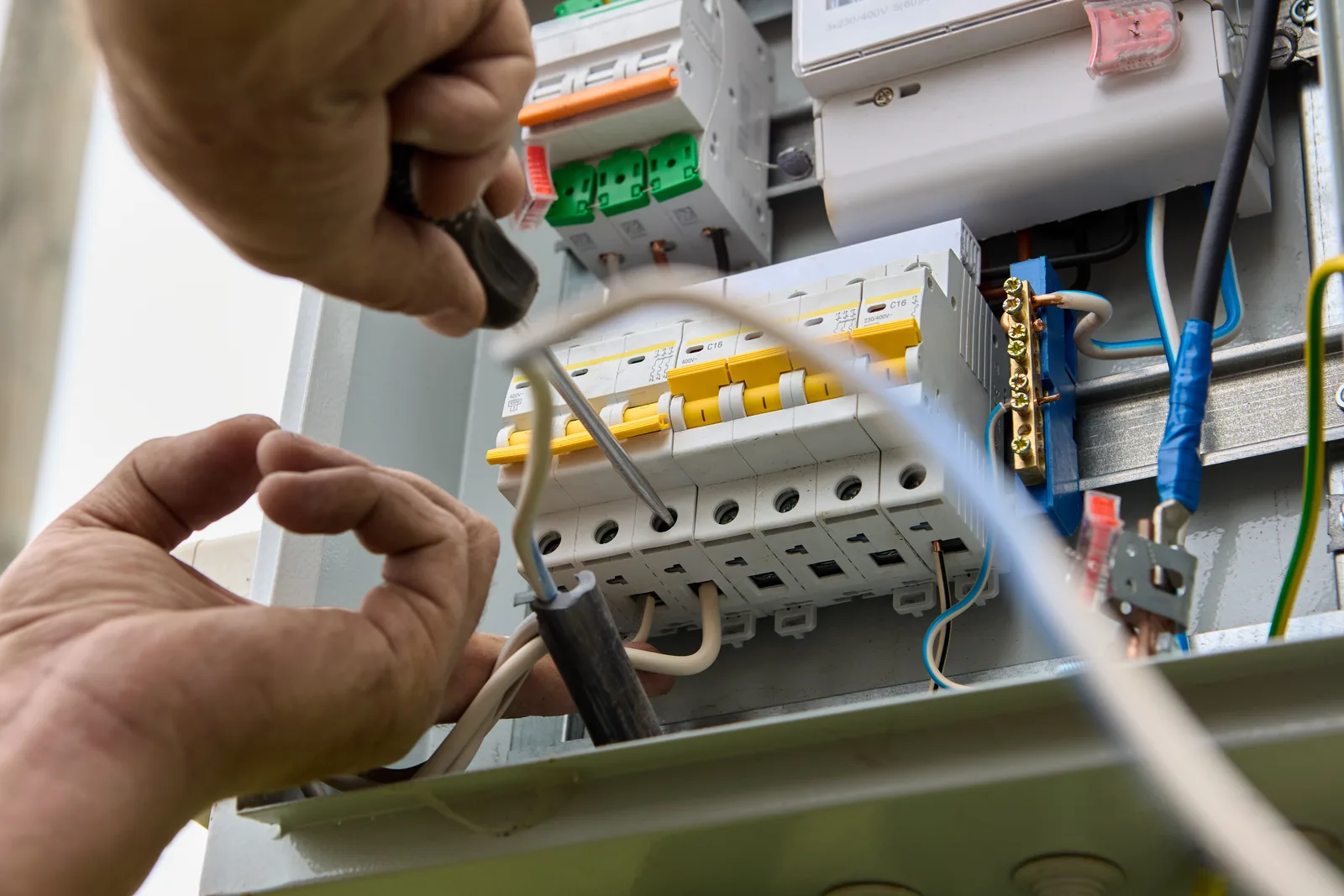
An ageing ceramic fuse board
Edgeworth's brick-veneer homes from the 1960s-80s mining-era boom often still run original rewireable ceramic fuses with no RCD safety switches, so they blow constantly under today's loads.
Too much load on one circuit
Running an oven, kettle, and heater on one old circuit can push it past its limit, especially through a humid Hunter summer storm season when everything runs at once.
A short circuit or earth fault
A damaged cable or faulty wiring can send too much current through the circuit instantly, blowing the fuse the moment the fault occurs rather than gradually.
Renovation load creep
As Edgeworth's affordable post-war housing stock is extended and modernised, the extra circuits and appliances often exceed what the original fuse board was ever built to carry.
A faulty appliance
An appliance with a failing element or internal short will draw excess current the moment it is switched on, blowing the fuse repeatedly until it is unplugged.
Is a Blown Fuse Dangerous?
A single blown fuse is usually the board protecting you, but a fuse that keeps blowing points to an overload or fault that will get worse. A very old ceramic board offers little protection against shock.
- A fuse that blows once is doing its job, but repeated blowing signals a real fault
- Warmth, buzzing, or a burning smell near the fuse box is a fire-risk sign and needs same-day checking
- Ceramic fuse boards with no RCD safety switches no longer meet current AS/NZS 3000 wiring rules
What To Do Right Now
A blown fuse is not something to keep resetting yourself, so take these safe steps before we arrive:
- Unplug the appliance you were using when the fuse blew and leave it unplugged.
- Do not keep replacing the fuse wire yourself if it blows again straight away.
- Do not open the switchboard or handle the fuse carrier beyond switching off.
- Note which circuit or room lost power, as it helps us find the fault faster.
- Call a licensed electrician (Lic #451348C) to find and fix the cause properly.
When To Call an Electrician for a Blown Fuse in Edgeworth
- The fuse blows again as soon as it is replaced
- More than one circuit loses power at the same time
- Your switchboard still uses old ceramic or rewireable fuses
- There is any warmth, buzzing, or burning smell near the fuse box
- The problem started after adding a new appliance, oven, or renovation
Any of these at your Edgeworth property is a job for a licensed electrician, not another fuse wire. We respond same-day and 24/7 for emergencies, with $0 call-out and free quotes. See our switchboard upgrades and electrical repairs.
How it works
How We Fix a Blown Fuse in Edgeworth
Fault Finding
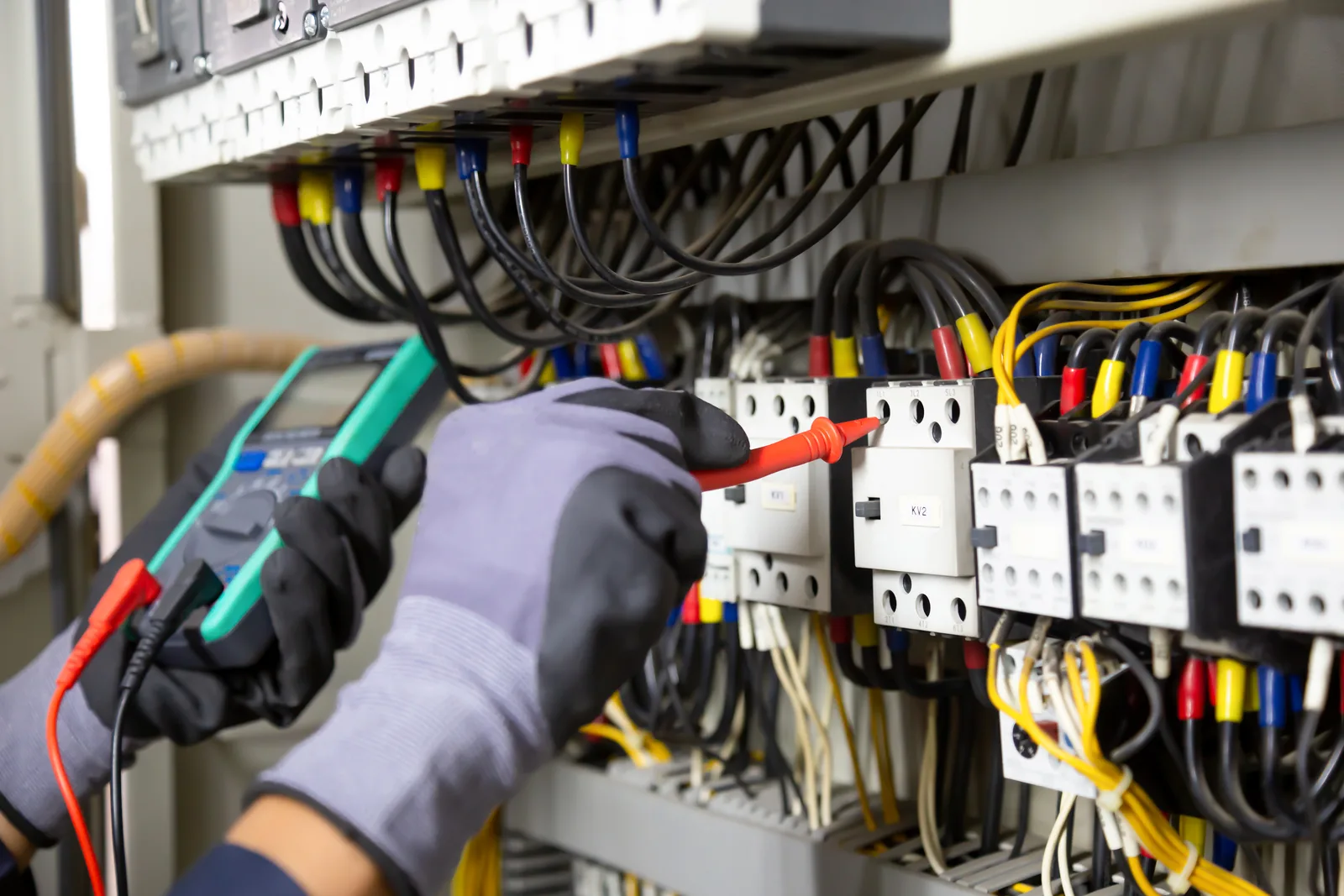
We isolate circuits and test the board to pinpoint exactly what is overloading or faulting the fuse before touching anything further.
Upfront Quote
Once we know the cause, we provide a free, fixed quote so you approve the cost before any repair or upgrade begins.
The Repair or Upgrade
If the board is an old ceramic fuse type, we recommend a switchboard upgrade to modern circuit breakers and RCD safety switches for real protection.
Testing & Safety Check
Every repaired or upgraded circuit is tested against AS/NZS 3000 wiring rules before we leave, confirming the fault is fixed and the board is safe.
Why This Is Common in Edgeworth Homes
Edgeworth's brick-veneer stock dates to the 1960s-80s mining-era subdivision of the old colliery land, so many boards still run ceramic fuses built for far less load than a modern home near Cameron Park now demands.
Blown Fuses and Related Electrical Faults Across Edgeworth
A blown fuse often shows up alongside a tripped circuit breaker or overloaded power points. We fix all three across Edgeworth, Cardiff, Glendale, and the wider Lake Macquarie region.
Fuse Keeps Blowing in Edgeworth? Book an Electrician Today
Call (02) 4072 9998 for same-day or 24/7 emergency service, $0 call-out, free quotes, and fixed upfront pricing with no surprises. Backed by 300+ five-star reviews, get in touch or head back to our electrician Edgeworth home page, and if it sparks, shorts, flickers or fails, we can fix it.
Common questions
Frequently Asked Questions
Real answers to the questions Edgeworth homeowners ask us most about a blown fuse, from what causes it to whether it is safe to leave until tomorrow.
Is a blown fuse dangerous?
A single blown fuse is usually your board doing its job, but a fuse that keeps blowing points to an overload or fault that needs a licensed electrician to check.
What causes a fuse to blow?
An overloaded circuit, a short circuit, a faulty appliance, or an ageing ceramic fuse board without safety switches are the most common causes of a blown fuse.
What should I do if a fuse keeps blowing?
Unplug the appliance you were using, avoid repeatedly replacing the fuse yourself, and call a licensed electrician to find and fix the underlying fault.
Do I need an electrician to fix a blown fuse?
Yes, a fuse that blows more than once means there is a real fault or overload, and only a licensed electrician can safely find and fix the cause.
How much does it cost to fix a blown fuse?
We provide a free, fixed upfront quote before any work starts, plus a $0 call-out fee, so you know the full cost with no surprises on the invoice.
Are old ceramic fuse boards a common problem in Edgeworth homes?
Yes, Edgeworth's mining-era and post-war housing stock often still runs original ceramic fuse boards, which blow constantly under today's electrical loads.